

Creating 3D content used to require advanced design knowledge, complex software, and hours of manual modeling. Today, modern AI tools have simplified the process so that almost anyone can transform a picture into a usable 3D asset. The easiest way to convert an image to 3d model is by using AI-powered platforms that automatically analyze images and generate 3D geometry. These tools dramatically reduce the time and skill required, making 3D creation accessible for game developers, designers, educators, and hobbyists.
AI Tools: The Simplest Way to Turn Images into 3D
Artificial intelligence has changed the workflow for creating 3D assets. Instead of manually sculpting every detail, AI-based platforms interpret shapes, lighting, and textures from a single image and build a digital object automatically.
One example is the platform available at 3daistudio.com, which allows users to upload a photo or describe an object and instantly generate a 3D asset ready for games, apps, or animation projects. Rather than requiring knowledge of complicated 3D software, the system uses machine learning to analyze visual data and construct a complete 3D structure. For beginners and professionals alike, this approach is widely considered the fastest image to 3d model workflow because it eliminates the need for manual modeling and reduces production time from hours to minutes.
How AI Image-to-3D Conversion Works
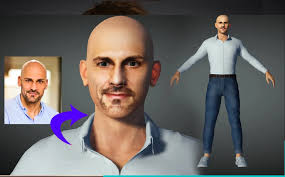
Most AI tools follow a similar process when converting an image into a 3D object. First, the user uploads a photo of an object or scene. The AI system then detects edges, depth cues, textures, and lighting patterns in the image. Using trained neural networks, it predicts the object’s 3D shape and reconstructs it digitally. After generating the model, the software refines the mesh and applies textures so the object looks realistic in 3D environments. Many platforms also export files in formats compatible with game engines, animation tools, and 3D printing. Because this process is automated, users can create a functional image to 3d model result even if they have never used traditional modeling software before.
Other Methods to Convert Images into 3D Models
Although AI tools are the easiest option today, there are several other techniques used to convert images into 3D assets.
Photogrammetry
Photogrammetry involves capturing many images of an object from different angles and using specialized software to reconstruct its shape. The software compares overlapping details between photos to calculate depth and create a 3D mesh. You can learn more about this technique through the concept of photogrammetry, which has long been used in fields like archaeology, surveying, and visual effects. However, this method requires multiple photos, careful lighting, and powerful processing software, making it more complex than AI-based solutions.
Manual 3D Modeling
Another approach is recreating the object manually using programs like Blender or Maya. Artists place the reference image in the background and sculpt the model step by step. While this method provides the highest level of control and precision, it requires significant training and experience. For beginners looking for a quick image to 3d model conversion, manual modeling can be time-consuming and challenging.
Depth Mapping Tools
Some tools generate 3D shapes from a single image by estimating depth information. They analyze shadows, perspective, and object boundaries to create a depth map that becomes a 3D surface. Although this approach is faster than manual modeling, it often requires additional editing to correct geometry and textures.
Why AI Is Becoming the Preferred Solution
AI-powered tools have rapidly become the preferred way to convert images into 3D objects because they combine speed, accessibility, and automation. Instead of managing multiple photos or complex modeling workflows, users simply upload an image and receive a usable 3D asset within minutes. This convenience is why platforms designed for image to 3d model generation are gaining popularity across industries such as gaming, virtual reality, marketing, and product visualization. Designers can prototype ideas faster, developers can populate environments with assets quickly, and creators can experiment with concepts without deep technical expertise. As AI technology continues to improve, the ability to generate accurate 3D models from simple images will only become more powerful, making 3D creation easier than ever before.