

Choosing the right surface for a kitchen means balancing style, durability, and long-term performance. Kitchens experience heavy foot traffic, moisture, spills, dropped utensils, temperature changes, and constant cleaning. This leads many homeowners and professionals to ask: is vinyl flooring truly a good option for kitchens? The short answer is yes — and for several important reasons.
Why Kitchens Demand Specialized Flooring
Kitchens are one of the most demanding spaces in any building. From cooking splashes and humidity to high daily usage, the surface must resist water damage, stains, dents, and wear. Unlike bedrooms or offices, kitchens also require slip resistance and easy sanitation. These performance needs are precisely where vinyl flooring excels compared to traditional materials like hardwood, ceramic tile, or laminate.
Waterproof Performance That Matters
One of the greatest advantages of modern vinyl flooring is its waterproof construction. Rigid-core luxury vinyl planks and tiles are designed with moisture-resistant cores and sealed locking systems that prevent water penetration. This means spills, splashes, pet accidents, and steam from cooking will not warp or stain the surface. For busy kitchens, this reliability dramatically reduces maintenance concerns and long-term repair costs.
Comfort and Safety Underfoot
Kitchens are spaces where people stand for extended periods while cooking and cleaning. Vinyl surfaces provide subtle cushioning that reduces fatigue and joint strain. In addition, their textured wear layers offer improved slip resistance compared to glossy tile or sealed hardwood. This combination of comfort and safety makes vinyl flooring especially appealing for families, rental properties, and commercial kitchens.
Design Flexibility Without the Price Tag
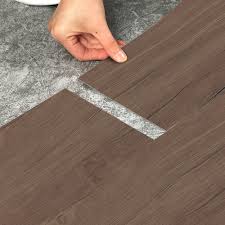
Modern printing technology allows vinyl to convincingly replicate wood, stone, concrete, and ceramic aesthetics. Homeowners can achieve high-end visual appeal without the cost or upkeep of natural materials. Designers appreciate how vinyl integrates with contemporary cabinets, appliances, and lighting schemes. The availability of numerous plank sizes, colors, and finishes means kitchens can reflect nearly any design style, from rustic farmhouse to ultra-modern minimalism.
Installation Efficiency for Remodels and New Construction
Another reason vinyl flooring performs so well in kitchens is its ease of installation. Many rigid-core systems use floating click-lock mechanisms that require no glue and minimal downtime. This is especially valuable for renovation projects, rental turnovers, and new construction where scheduling efficiency directly impacts budgets. For Chicago-area contractors and property managers, having local access to wholesale materials speeds up project timelines and simplifies logistics. Some regional suppliers maintain large in-stock selections and convenient pickup locations, serving professionals throughout Chicagoland with reliable service and consistent product availability. Online resources such as zinatexrugs.com further streamline planning and material selection.
Long-Term Value and Maintenance
Kitchen floors endure constant cleaning. Vinyl flooring requires only basic sweeping and occasional damp mopping — no sealing, waxing, or special treatments. Its wear layer resists scratches from chairs, appliances, and foot traffic. Even in high-use commercial or multi-family environments, vinyl maintains its appearance for many years with minimal upkeep, making it one of the most cost-effective kitchen flooring solutions available today.
Environmental Considerations
Manufacturers now offer low-VOC vinyl options and recycled content products, supporting healthier indoor air quality and reduced environmental impact. Advances in material science continue to improve performance while lowering ecological footprint.
Understanding materials like polymer technology helps explain how vinyl’s chemical structure delivers such impressive durability, flexibility, and moisture resistance in demanding spaces like kitchens.
Final Verdict
So, is vinyl flooring good for kitchens? Absolutely. Its waterproof construction, comfort, design versatility, easy installation, and long-term value make it one of the smartest choices for residential and commercial kitchens alike. Whether for a single-family home, rental unit, or large development project, vinyl offers dependable performance where kitchens need it most.