

Thermal Management During PCB Assembly
Heat is an essential part of the operation of a PCB. However, excess heat can negatively impact the reliability, durability and accuracy of a PCB. The best PCBs utilize a number of techniques to remove this excess heat and keep it below the temperature at which a circuit operates. These techniques include thermal via arrays, cooling fans and thick copper traces.
Depending on the design of your PCB, a variety of environmental factors and manufacturing processes can cause your board to overheat. This can reduce its performance or even cause it to malfunction. For example, high-frequency components such as microprocessors and radio-frequency modules can generate substantial heat. Similarly, compact layouts can limit airflow and restrict heat dissipation paths.
In addition, the layer stack of your PCB can have a major impact on signal integrity and thermal management. The material’s relative permittivity, rigidity and thermal conductivity determine how much heat it can disperse.
As such, it is crucial to pay attention to the materials used in your layer stack when designing a PCB. Fortunately, you can find out the right material to use by performing a DFM check (design for manufacturability).
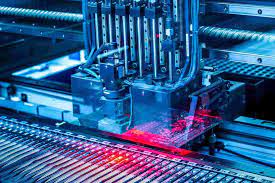
Ensure Proper Thermal Management During PCB Assembly
A DFM check will look at your board’s design file and identify any issues that could impact its functionality or manufacturability. For instance, it can spot potential problems such as unfavorable metallization. Unfavorable metallization refers to an excessive amount of copper on the surface of your PCB that can interfere with proper heat transfer, resulting in shorts or poor connection quality.
Another important aspect of your PCB’s thermal management is the way it distributes heat between hot and cold areas. This is especially important for active digital components that switch at high speeds, as they tend to generate a lot of heat. To prevent this excess heat from causing a bad solder joint, you can use a thermal relief pad to concentrate the heat on the pins.
Heat sinks are also a common method for cooling pcb assembly us that operate at high temperatures. They are metal parts with a large surface area that transfer heat to the surrounding environment by conduction. They are typically attatched to hot components such as switching devices or power transistors.
In addition to utilizing these devices, PCB designers also employ several other methods to remove excess heat from the circuit boards they build. For example, they can use thermal via arrays and cooling fans to improve the board’s ability to transfer heat from hot components to the substrate and the surrounding environment. They can also use thick copper traces on critical pathways to increase their thermal conductivity and eliminate the need for a heat sink. They can also use phase change materials, such as thermal greases and pads, to enhance the PCB’s heat dissipation capabilities. In addition, they can install fans and ventilation systems to improve the board’s airflow and increase its ability to disperse heat. These measures can help improve the longevity and performance of your PCB.