

kinescope differ from modern video recording methods
A kinescope differs significantly from modern video recording methods, highlighting how technology has evolved from analog film-based recordings to today’s advanced digital video infrastructure. The kinescope process, developed in the mid-20th century, involved filming a television screen to capture a live broadcast. This method was a practical solution before the invention and widespread use of videotape recorders and digital video platforms. Today, video recording and streaming are managed through comprehensive digital systems that integrate video players, hosting, analytics, and smart marketing tools all within one easy-to-use platform, offering businesses unmatched efficiency and quality.
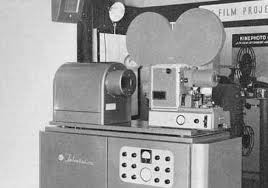
The primary difference between a kinescope and modern video recording lies in the recording medium and quality. Kinescopes were physical film recordings created by pointing a movie camera at a television monitor during a live broadcast. This indirect method meant the visual quality suffered from reduced resolution, flicker, and distortion caused by filming a screen rather than capturing the source signal directly. In contrast, modern video recording methods capture digital signals straight from the camera or streaming source, producing high-definition video with sharp images and vibrant colors. These advancements in digital video players and streaming platforms ensure that viewers receive crystal-clear content without the degradation that was inevitable with kinescopes.
Another key distinction is the convenience and flexibility offered by modern video infrastructure compared to kinescopes. Kinescope recordings were bulky physical film reels that required careful storage, handling, and transport. They were difficult to duplicate and distribute efficiently, which limited their accessibility. Nowadays, digital video hosting and video management platforms allow for instant uploading, storing, and sharing of video content across the globe. Online businesses benefit from streamlined workflows that include live streaming and on-demand playback, all controlled through centralized video managers. This seamless digital ecosystem contrasts sharply with the cumbersome and manual process involved in creating and using kinescope recordings.
How does a kinescope differ from modern video recording methods?
Modern recording technologies also provide powerful analytics and marketing capabilities that kinescopes simply could not offer. With kinescopes, broadcasters had no way to track viewer engagement or gather data on how audiences interacted with their content. Today’s digital video platforms come equipped with analytics tools that deliver insights on viewer demographics, watch times, drop-off rates, and other key performance metrics. These analytics empower businesses to optimize their content strategy and marketing efforts, tailoring video campaigns to maximize impact and return on investment. The integration of smart marketing tools within a single platform ensures that video content is not only recorded but also promoted effectively and strategically.
Interactivity and live streaming also set modern video methods apart from kinescopes. Kinescopes recorded live broadcasts as static films, with no possibility for real-time interaction or engagement. Modern streaming platforms enable businesses to host live events with real-time audience participation, chat features, polls, and instant feedback. This interactive element enhances viewer experience and builds community around video content, which was impossible in the kinescope era.
Furthermore, editing and post-production processes have drastically improved. Kinescope films were fixed recordings of live shows, meaning any mistakes or imperfections were permanently captured. Today, digital video players and video managers allow easy editing, adding overlays, captions, transitions, and effects before publishing. This flexibility helps create polished, professional videos that align with brand messaging and audience expectations.
In conclusion, kinescope recordings represent an early, analog approach to preserving live television broadcasts, but they differ fundamentally from modern video recording methods. The kinescope’s film-based, indirect recording process contrasts with today’s direct digital capture, high-definition quality, and instant accessibility. Modern digital video infrastructure supports online businesses through integrated video players, hosting, analytics, live streaming, and marketing tools, all within a user-friendly platform. This evolution has transformed how video content is produced, managed, and consumed, offering far greater quality, flexibility, and business value than the kinescope ever could.