

Flexible Printed Circuits
Flex circuits have a unique ability to shape to fit the contoured spaces of small devices, making them ideal for medical equipment, automotive electronics, and other small-space applications. They’re durable enough to withstand the vibrations and mechanical stress that come with the job, providing reliable connections with fewer components. They’re also thinner and lighter than traditional wire harnesses, allowing them to save space while improving a product’s appearance.
The durability of a flexible printed circuit comes from its material composition, design, and manufacturing processes. The materials used in flex circuits can withstand extreme heat, chemical and radiation exposure. They can also be produced in multiple layers and in an array of colors to match the design of a device or product. In addition, flex circuits can be made from polyimide or another non-conductive material that dissipates heat more effectively than the metals used in rigid PCBs.
Flexible printed circuits are able to withstand a number of conditions that would otherwise damage the boards, including high temperatures and constant vibrations. They’re also designed to allow for easy assembly in constrained spaces by incorporating bends into the circuit. However, despite their resilience, there are still a few issues that can cause flex circuits to break or malfunction.
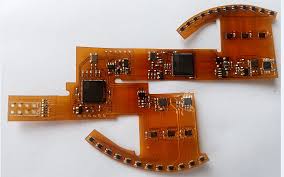
Are Flexible Printed Circuits Durable?
Fortunately, these problems can be avoided with the right design and manufacturing process. To reduce the chance of failure during assembly, the traces on a flex circuit should be staggered or spaced apart. This helps prevent stress from building up along the copper circuits, which can cause them to break. It’s also important to keep in mind that flex circuits are more likely to tear when there are discontinuities in the board’s layout, including vias, cutouts, and slits.
To improve a flex circuit’s flexibility, designers should consider using a tighter bend radius, which can be achieved by cross-hatching the ground planes and reducing the thickness of the copper trace. Alternatively, a thicker copper layer can be plated on the back side of the signal layers, which will also increase flexibility.
In addition, it’s vital to choose the right manufacturer for your flex circuits. The right CM will have experience designing and producing quick-turn flexible circuits, ensuring that your circuits are delivered on time and in good condition. They should also be able to provide a thorough quality assurance and inspection process to ensure that the boards meet your specifications.
The enduring durability of flex circuits has allowed them to replace traditional wire harnesses in a variety of products, including medical devices and industrial sensors. As the demand for small, lightweight electronic gadgets continues to rise, flex circuits will become an integral component of many new technologies. They can even help usher in new wearables like hearables and heart monitors that mimic the key shapes of the human body for improved durability and performance.